Design and Implementation of a Smart Traffic Circuit Diagram In order to make a Smart Traffic Management system with Arduino, we will require the following components. Components. Arduino Uno R3; By using real-time traffic data, you can optimize signal timing to reduce congestion and improve safety for drivers, cyclists, and pedestrians and, ultimately, make your community a better place to live.
With the era of smart technologies, everything is getting smarter and smart transport system is one of the fields which is going to put a huge impact on our lives. Knowing all that, I put my knowledge to make this Density-based traffic signal using Arduino with all the components that are easily available. Welcome to the ESP32 Learning Series! In this tutorial, we'll show you how to build a smart traffic signal system using the ESP32. Learn how to control traff

Smart Traffic Management System With Arduino Circuit Diagram
Creating a smart traffic management system can significantly improve urban mobility. This system can monitor traffic flow, manage signals, and provide real-time updates to drivers. This is where the data is analyzed to make decisions. Traffic Signal Control: This component adjusts the timing of traffic lights based on real-time data. In this project, we are going to make a traffic light control for a four-way intersection. We will learn about traffic lights and how they work through an electronic project. This project is a condensed version of the four-side or direction traffic light system that we have exhibited. Required components: Arduino; 12 pieces of 220-ohm resistors

Must-have features for a smart traffic light system. Smart traffic light technology adds a new dimension of real-time control — and many good things come as a result: Reduced travel times. The average American spends 58 hours per year waiting at traffic lights. Smarter controls can make people and goods move faster through city arteries.

HighVoltages/density Circuit Diagram
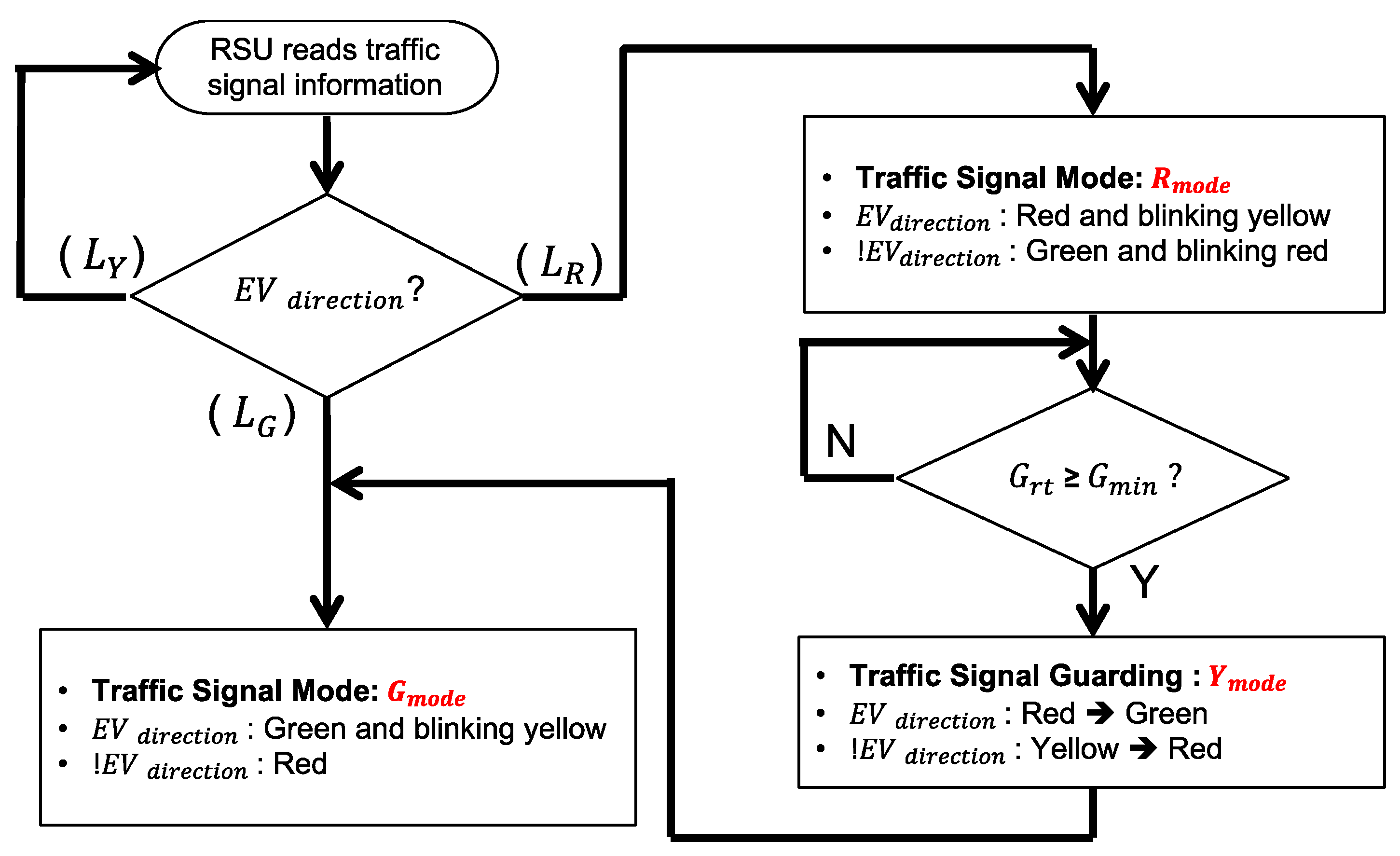
Determines the state of the traffic signal based on the received signal. Traffic Signal Control: Dynamically adjusts traffic signals based on the received signal: Signals 1 and 4 activate the first set of signals. Signals 2 and 3 activate the second set of signals. Signal 5 turns off all signals, indicating no vehicles. Signal Timing Simulation:
